
Understanding Catalytic Converters: The Key to Cleaner Air
At HJS SA, Clean Air is our Mission
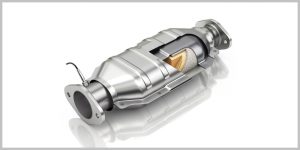
Catalytic Converters (DOCs) utilize a catalyst, typically a precious metal coating such as platinum or palladium, to accelerate the chemical reactions between oxygen and pollutants in the air, converting them into less toxic by-products, including water vapour, carbon dioxide, and nitrogen gas.
This article discusses how a Catalytic Converter (Also Known as a Diesel Oxidation Catalyst) chemically transforms harmful exhaust gases into less hazardous substances, thereby reducing pollution.
DOCs are vital components of vehicle exhaust systems, engineered to reduce harmful emissions by converting toxic pollutants into less harmful gases. In a world where environmental and workplace safety are paramount, catalytic converters ensure that exhaust gases like carbon monoxide and hydrocarbons are transformed into water vapor, carbon dioxide, and nitrogen, contributing to a healthier atmosphere and complying with strict emissions standards.
How Catalytic Converters Work
At its core, a catalytic converter uses a ceramic-coated catalyst—usually platinum, palladium, or rhodium—to induce a chemical reaction as exhaust gases pass through it. This reaction neutralizes pollutants by altering their structure at the molecular level, making them far less harmful. In essence, they act as filters that remove the “dirt” from emissions, protecting both air quality and the people exposed to vehicle exhaust, especially in industries like mining or construction where diesel vehicles are common.
Why DOCs Matter in Diesel-Heavy Industries
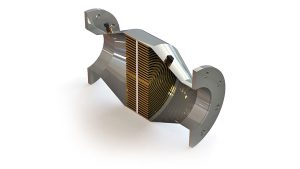
Industries relying on diesel engines, like mining and construction, produce considerable emissions. By integrating DOCs, these businesses not only comply with environmental standards but also demonstrate a commitment to employee and environmental safety. Paired with Diesel Particulate Filters (DPFs), catalytic converters offer a comprehensive solution for emissions reduction.
Why They Are Essential for Businesses and Beyond
For businesses running diesel fleets, such as in mining or logistics, catalytic converters are not just a regulatory requirement but a way to demonstrate corporate responsibility. They safeguard employees, enhance environmental sustainability, and can even improve the efficiency of exhaust systems when paired with advanced Diesel Particulate Filters (DPFs). By implementing catalytic converters, we empower clients to meet industry standards while promoting cleaner, safer work environments.
Investing in catalytic converters from HJS Emission Technology SA is a proactive step toward creating a safer and healthier workplace. Our team offers expert advice to help you select the ideal Diesel Particulate Filter (DPF) and DOC system for your equipment, ensuring full compliance with occupational health standards.
 Contact Us today to learn more about how HJS Emission Technology South Africa can help you improve air quality and safety in your workplace.
You can also read more about the science behind Catalytic Converters here.
14 Responses